

If you’re house hunting in Pueblo West, you’ve probably wrestled with this question at some point: is it smarter to buy an existing home or build new? Both paths can lead to a great outcome, but they come with different costs, timelines, and long-term trade-offs that are worth understanding before you commit.
There’s no universal right answer, since the best choice depends on your budget, your timeline, and what matters most to you in a home. Both options can work well in a growing community like Pueblo West, but the trade-offs look different depending on which path you choose. Below, we’re breaking down the key differences between building a custom home and buying an existing one, so you can make the decision that actually fits your life.
Upfront Costs: What You’ll Actually Pay
On the surface, existing homes often look like the more affordable option, and in some cases they are, especially older properties that haven’t been updated in years. But that lower sticker price doesn’t always tell the full story. Older homes frequently come with hidden costs: outdated electrical systems, aging roofs, or appliances that are due for replacement sooner rather than later.
New construction typically comes with a higher starting price, but that price often includes modern systems, current building codes, and finishes that don’t need to be replaced for years. When you build new, you also have more visibility into where your money is going, since you’re choosing your layout, finishes, and upgrades from the start rather than inheriting someone else’s decisions. It’s worth comparing not just the purchase price, but the total cost of ownership over the first five to ten years before deciding which option truly costs less.
It also helps to think about financing when you’re comparing costs. Existing homes are usually financed with a standard mortgage, while building new often involves a construction loan that converts into a permanent mortgage once the home is finished. Neither structure is better or worse, but they do come with different timelines and paperwork, so it’s worth talking to a lender early on to understand how each option affects your monthly payment and your closing process.
Another factor to weigh is negotiating power. With an existing home, price negotiations often revolve around inspection findings, market conditions, and how long the property has been listed. With new construction, pricing is usually more transparent from the start, since you know exactly what you’re paying for in terms of square footage, materials, and included features before you ever sign a contract.
Customization and Personalization
One of the biggest differences between the two paths is how much say you have in the final product. With an existing home, what you see is largely what you get. You can renovate, but that often means living through construction after you’ve already moved in, along with the added cost and disruption that comes with it.
Building new flips that experience. You choose the floor plan that fits your lifestyle from day one, whether that means a single-story layout, extra bedrooms for a growing family, or a home office built in from the start. From there, you can personalize finishes, layouts, and features to match how you actually plan to live, rather than working around someone else’s previous choices. For buyers who have a clear vision of what they want, this level of control is often the deciding factor.
This matters most for buyers with specific needs that are hard to find in an existing property. A retiree looking for single-story living, a growing family that needs extra bedrooms, or someone who works from home and wants a dedicated office are all good examples of situations where searching for the perfect existing home can take far longer than simply building one designed around those needs from the start.
There’s also the question of style. Design trends shift over time, and older homes sometimes carry layouts or finishes that feel dated compared to what’s popular today. Building new means your home reflects current preferences from the moment you move in, rather than requiring updates down the road to feel current.
Energy Efficiency and Ongoing Costs
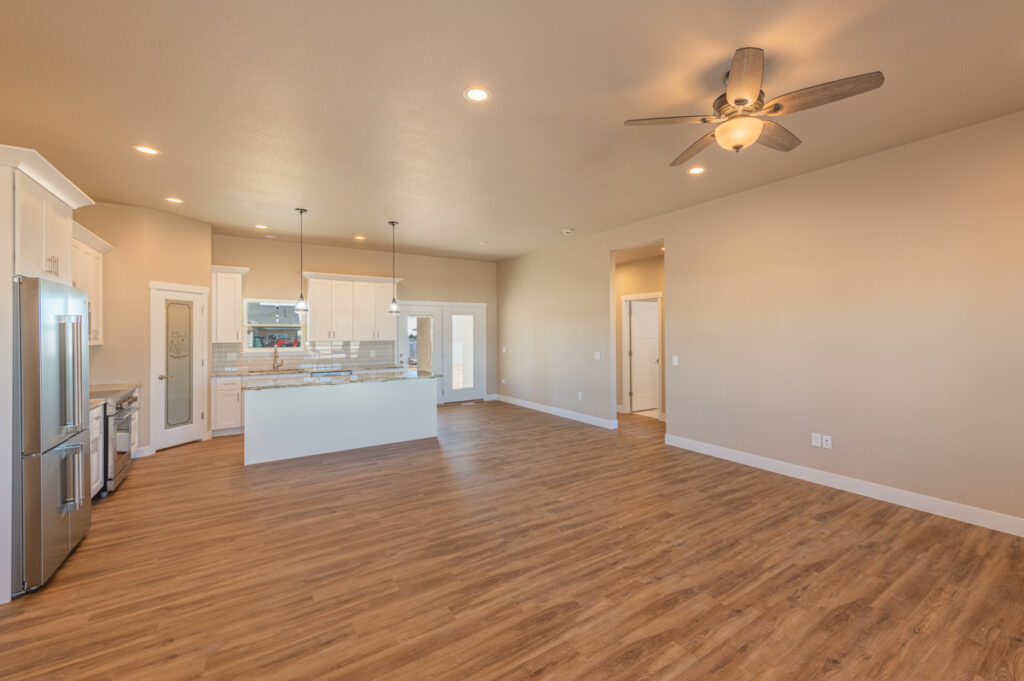
Utility bills can vary significantly between an older home and new construction. Homes built even a decade or two ago often use less efficient windows, insulation, and HVAC systems compared to what’s standard in new builds today. Over time, those differences add up in your monthly bills.
New homes are typically built with more efficient insulation, updated windows, and modern heating and cooling systems designed to perform well in Colorado’s climate. We’ve covered this in more detail in our post on energy-efficient new homes in Pueblo West, but the short version is that lower utility costs and fewer unexpected repairs can offset a portion of the higher upfront price over time. If you plan to stay in your home for many years, those ongoing savings are worth factoring into your overall budget comparison.
It’s also worth considering how a home performs during Colorado’s temperature swings. Hot summer afternoons and cold winter nights both put demands on a home’s heating and cooling system, and homes with outdated insulation or older windows often struggle to keep up, leading to higher bills and less consistent comfort throughout the year.
Newer appliances also tend to use less energy than models that are ten or fifteen years old, which adds another layer of savings on top of a more efficient building envelope. Over the course of a year, these smaller differences can add up to a noticeable gap in your utility costs.
Maintenance and Repair Considerations
Every home requires maintenance, but the type and frequency can look very different depending on the age of the property. Existing homes, particularly ones built decades ago, are more likely to need near-term repairs to roofing, plumbing, or major systems that are simply reaching the end of their lifespan.
New construction generally comes with builder warranties covering workmanship and major systems, giving you a buffer of time before you need to worry about big-ticket repairs. That doesn’t mean a new home requires zero upkeep, but it does mean fewer surprises in the first several years of ownership. For buyers who want predictability in their budget, especially retirees or anyone managing a fixed income, that peace of mind can matter just as much as the purchase price itself.
It’s also worth thinking about the inspection process itself. Buying an existing home usually means hiring an inspector to uncover issues that may not be obvious at first glance, and negotiating repairs or price adjustments based on what’s found. With new construction, you typically go through a series of walkthroughs during the building process instead, giving you the chance to catch and address any concerns before you ever move in.
Warranty coverage is another piece worth understanding. Builder warranties typically outline what’s covered and for how long, which gives you a clear reference point if something needs attention in the first few years. Existing homes rarely come with that same level of coverage unless the seller specifically offers a home warranty as part of the sale, and even then, coverage is often more limited than what’s included with new construction.
Resale Value and Long-Term Investment Potential
Both new and existing homes can be solid investments, but they tend to appreciate differently depending on the market and the property itself. Existing homes in established neighborhoods sometimes benefit from location and mature landscaping, while new construction often appreciates well in growing areas where demand for updated homes continues to rise.
Pueblo West has seen steady interest from buyers relocating from other parts of Colorado and out of state, which has kept demand strong for both new homes and existing properties. When you build new, you’re also less likely to face near-term renovation costs that can eat into your equity, since your home already reflects current buyer preferences and building standards. Thinking through how long you plan to stay in the home can help clarify which option makes more sense for your investment goals.
It’s also worth remembering that a home is more than just a financial asset. The right choice is the one that supports the way you actually want to live, whether that’s an established neighborhood with mature trees and a shorter commute, or a brand new home built specifically around your family’s needs and habits, with the layout, finishes, and features chosen by you rather than inherited from someone else.
Quick Comparison: Which Path Fits You?
Still weighing your options? Here’s a simple way to think through it:
- Want full control over layout and finishes? Building new gives you that flexibility from day one.
- Need to move in as quickly as possible? An existing home may get you there faster, depending on availability.
- Concerned about near-term repair costs? New construction typically comes with fewer surprises early on.
- Focused on lower monthly utility bills? Newer homes are generally built to perform more efficiently.
- Planning to stay long-term? Consider how each option holds up over five, ten, or twenty years, not just at move-in.
There’s no wrong answer here, only the answer that fits your priorities. Learning more about our home-building process can also help you see just how manageable building new can be, even if it initially feels like the more complicated route. Many buyers find that once they understand the timeline and what to expect at each step, building new feels far less intimidating than they originally assumed.
Ready to Explore New Construction in Pueblo West?
Whether you’ve already decided that building new is the right move or you’re still weighing your options, we’re happy to help you think it through. Comparing costs, timelines, and long-term value looks different for every buyer, and there’s no substitute for walking through the details with a team that builds homes in this community every day. We’re glad to answer questions about financing, timelines, or how our floor plans compare to what’s currently available on the resale market, so you can make the decision with confidence rather than guesswork.
If you’re ready to see what a new home built around your needs could look like, we’d love to show you around. Schedule a Showing today and let’s talk about whether building new is the right fit for you.
From Concept to Completion: A Seamless Home Building Experience
At Oak Ridge Homes, we guide you through every step of the home-building process, from initial design to final touches. Our dedicated team ensures a smooth, stress-free experience, delivering a home that’s crafted just for you.
Like this article? Spread the word!
Related Posts
How Much Does It Cost to Build a Custom Home in Pueblo West, CO?
How much does it cost to build a custom home in Pueblo West? See our starting prices,…

Custom Homes in Pueblo West, CO: Schedule a Showing and Explore Quality-Built Homes from Oakridge Homes
Explore custom homes in Pueblo West, CO from OakRidge Homes. Schedule a showing today to…

OakRidge Homes: What to Know Before Building a Custom Home in Pueblo West, CO
Discover essential insights on building a custom home in Pueblo West, CO with OakRidge…